Daily Life in Ancient Egypt
Daily life in ancient Egypt was deeply shaped by the fertile lands of the Nile River and a stable social system that allowed civilization to flourish for thousands of years. The Nile provided food, transportation, and prosperity, enabling the ancient Egyptians to build a structured society filled with work, family traditions, religious devotion, and cultural celebrations.
Let’s explore the most important aspects of daily life in ancient Egypt.
Social Classes in Ancient Egypt
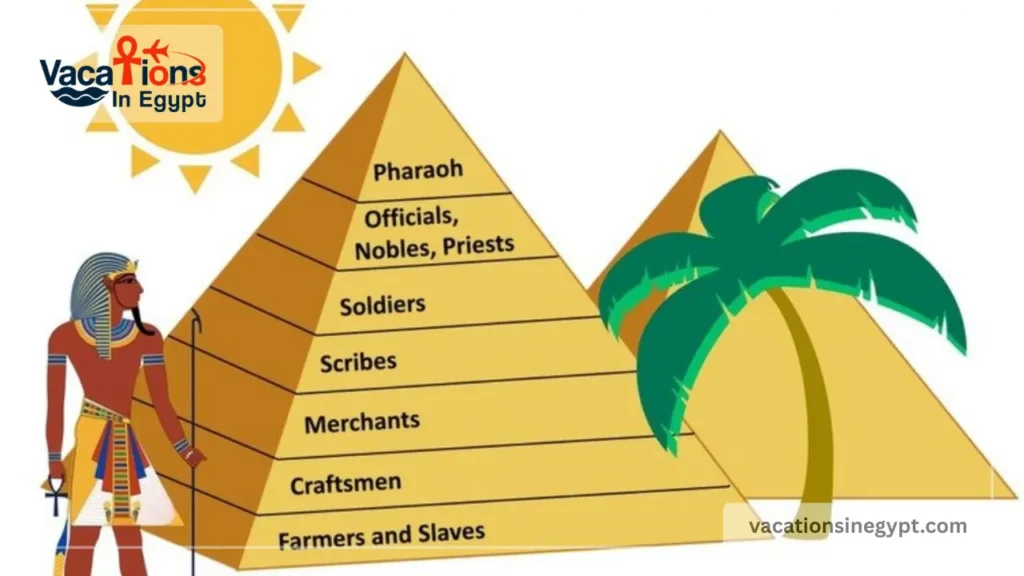
Ancient Egyptian society was organized like a pyramid, with clear social classes.
1. The Royal Family
At the top stood the pharaoh, queen, and royal family. The pharaoh was considered a divine ruler with absolute authority. They lived in luxury, owned vast lands, and held religious and political power.
2. Priests, Officials, and Doctors
Below the royal family were priests, ministers, scribes, and physicians. Priests performed religious rituals, while scribes managed records and administration.
3. Soldiers and Craftsmen
Soldiers protected Egypt from invasions, while craftsmen built temples, tombs, statues, and tools. Their skills were essential to the nation’s strength and prosperity.
4. Farmers and Servants
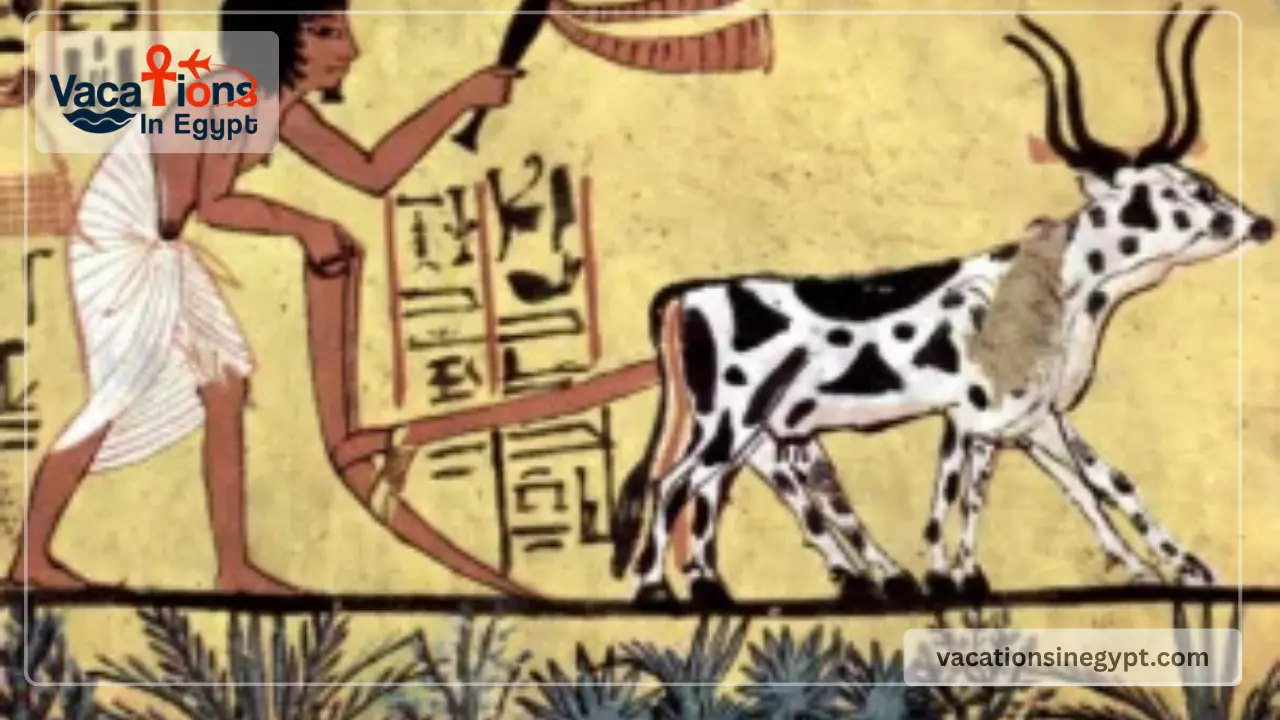
At the base of the pyramid were farmers and laborers. They cultivated crops along the Nile and contributed to building projects. Their work sustained the entire civilization.
Each class had a defined role, ensuring stability and economic success.
Family Life in Ancient Egypt
Family was the foundation of daily life in ancient Egypt.
- Girls often married around age 12.
- Boys typically married around age 15.
- Sons learned their father’s profession.
- Daughters learned household skills from their mothers.
Marriage was highly valued, and family life was generally stable. While divorce existed, it was uncommon. Men could have more than one wife, but the first wife held primary status.
The typical family structure involved:
- The husband earning income.
- The wife managing the home and raising children.
The Role of Women in Ancient Egypt
Women in ancient Egypt enjoyed rights that were advanced for their time.
They could:
- Own property
- Conduct business transactions
- Inherit wealth
- Testify in court
Some women even ruled Egypt, such as Cleopatra VII Philopator. Women could also serve in religious roles and administrative positions. However, their primary responsibility was often centered on family life and motherhood.
Religion in Daily Life
Religion influenced every part of life in ancient Egypt. It was a polytheistic society, worshipping many gods connected to nature and power.
Major deities included:
- Amun
- Hathor
Each region had its own patron god and religious celebrations.
The ancient Egyptians strongly believed in resurrection and eternal life. This belief led to the development of mummification and funerary texts like the Book of the Dead, which contained spells and prayers to guide the deceased in the afterlife.
Sports and Recreation
Despite their hard work, ancient Egyptians enjoyed leisure activities.
Popular activities included:
- Swimming in the Nile
- Rowing and small boat competitions
- Fishing
- Handball
- A board game called Senet
Sports and games were an important part of both entertainment and physical training.
Health and Medicine
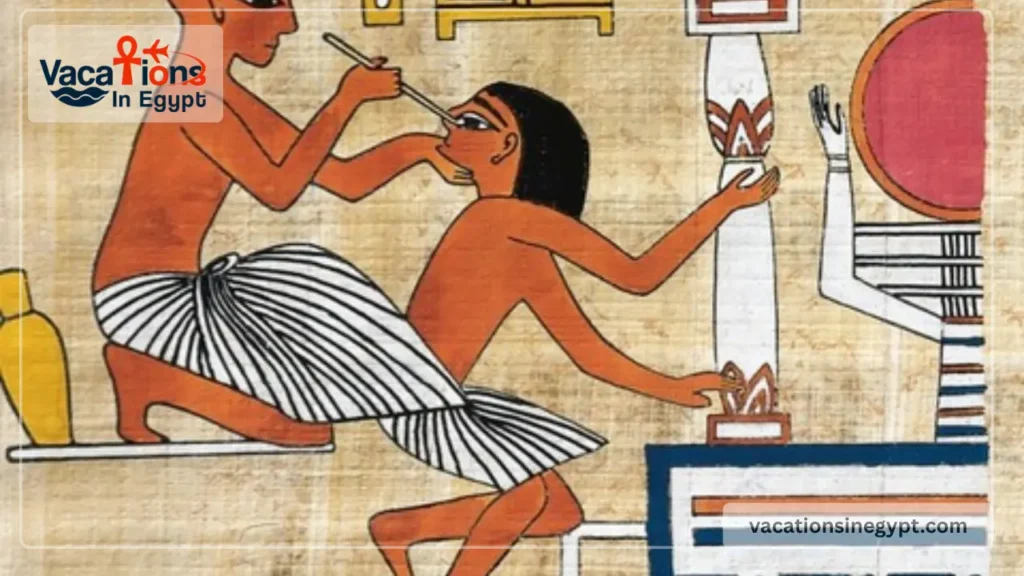
Ancient Egyptian medicine was surprisingly advanced.
Doctors were often trained as scribes and had knowledge of anatomy. They:
- Treated broken bones
- Practiced basic surgery
- Used herbs like mint for oral health
- Created perfumes and soap for hygiene
Religion and medicine were closely connected. Illness was sometimes believed to be punishment from the gods, so treatments often combined medical techniques with prayers and rituals.
Clothing and Fashion
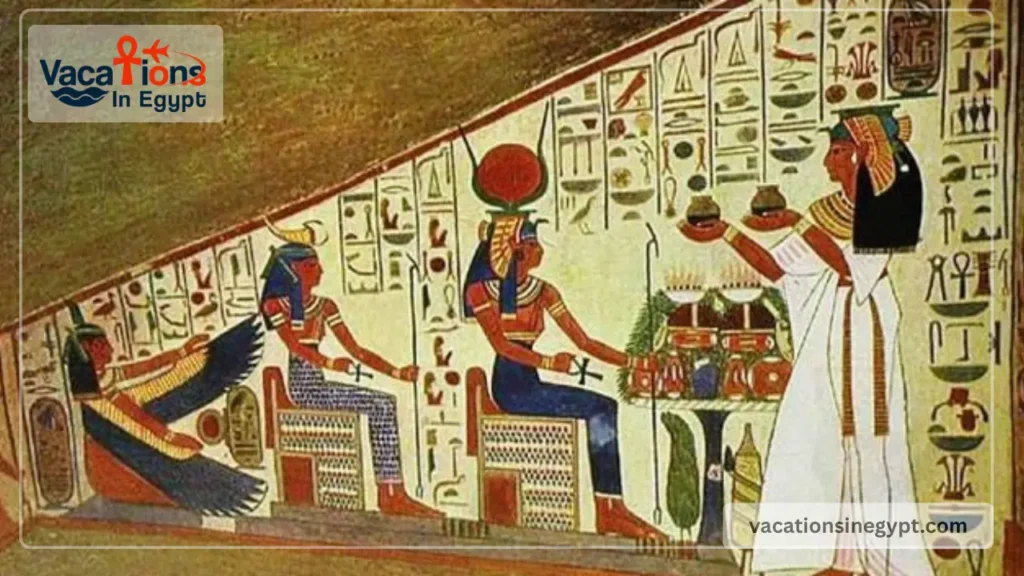
Clothing in ancient Egypt was mainly made from linen.
- Royal garments were decorated with gold and precious stones.
- Common people wore simple linen clothes.
- Wealthy individuals wore leather sandals.
- Both men and women used cosmetics such as kohl eyeliner and wigs.
Fashion reflected social status and wealth.
Festivals and Celebrations
Most festivals in ancient Egypt were religious and based on the lunar calendar.
They celebrated:
- The birthdays of gods
- The annual Nile flood
- Major temple festivals
One ancient celebration that continues today in Egypt is Sham El-Nessim, a spring festival with roots in ancient traditions.
Conclusion
Daily life in ancient Egypt was organized, productive, and deeply connected to religion and nature. From structured social classes and strong family values to advanced medicine and vibrant festivals, the ancient Egyptians created a balanced and prosperous civilization.
Their achievements in health, culture, religion, and governance continue to inspire the modern world. Exploring ancient Egypt today offers a fascinating glimpse into one of history’s greatest civilizations.