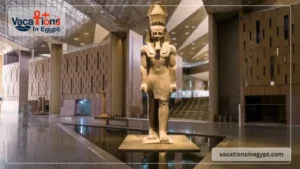

Best Sites in Egypt for History & Exploration
The best sites in Egypt for history and exploration are those that explain ancient civilization through artifacts, monumental architecture, and burial traditions. Travelers gain the clearest understanding by combining museum context with temple complexes and royal tombs. Well-structured itineraries on this site connect these sites in a logical sequence that supports learning without overload.
Why do museums matter before exploring ancient sites?
They provide the historical framework.
Starting with a museum helps travelers:
-
Understand timelines and dynasties
-
Recognize symbolism later at temples and tombs
-
Connect artifacts to real locations
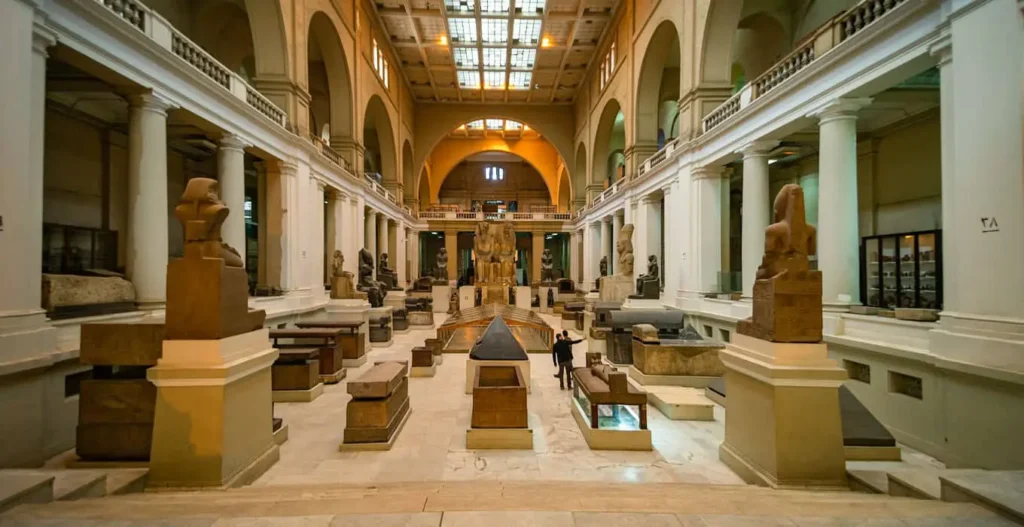
The Egyptian Museum plays this role well by concentrating key objects that explain belief systems, governance, and daily life before stepping into ancient landscapes.
Why is Karnak Temple essential for historical exploration?
Because it shows history built layer by layer.
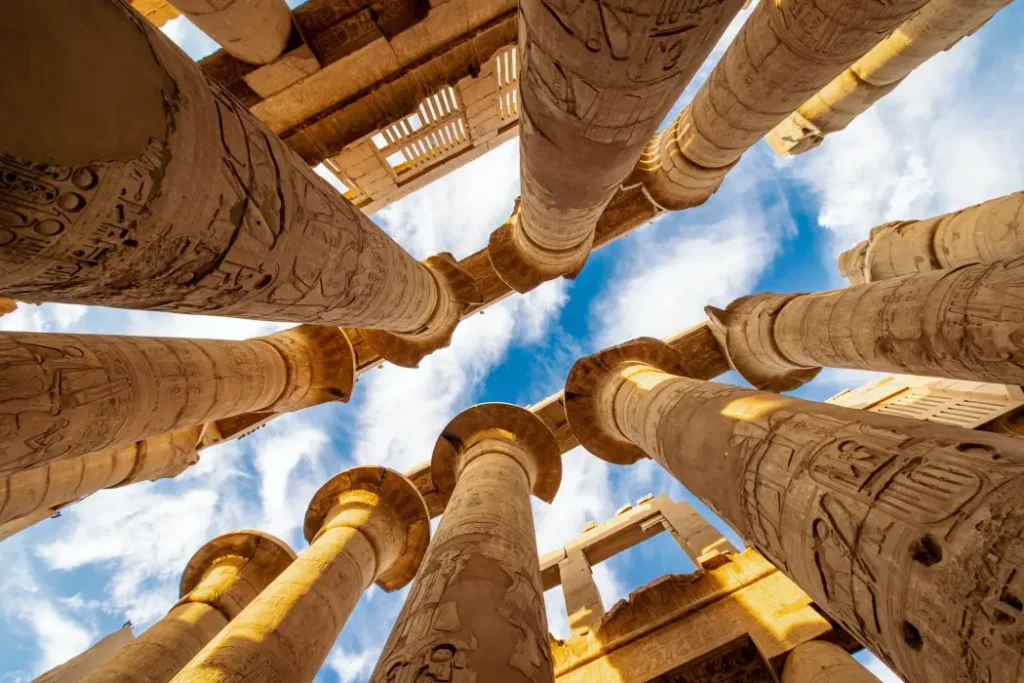
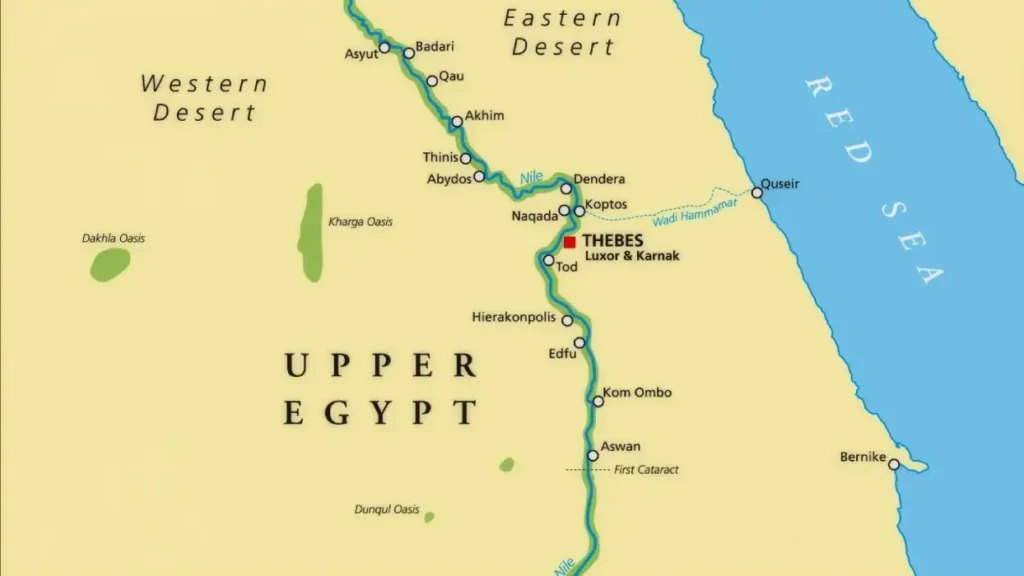
Karnak is not a single monument—it’s a record of centuries of religious and political change. Visiting Karnak Temple allows travelers to:
-
See how pharaohs added to existing structures
-
Understand the scale of state religion
-
Trace architectural evolution over time
This makes Karnak one of the strongest sites for understanding how ancient Egypt functioned.
How does the Valley of the Kings deepen exploration?
It reveals beliefs beneath the surface.
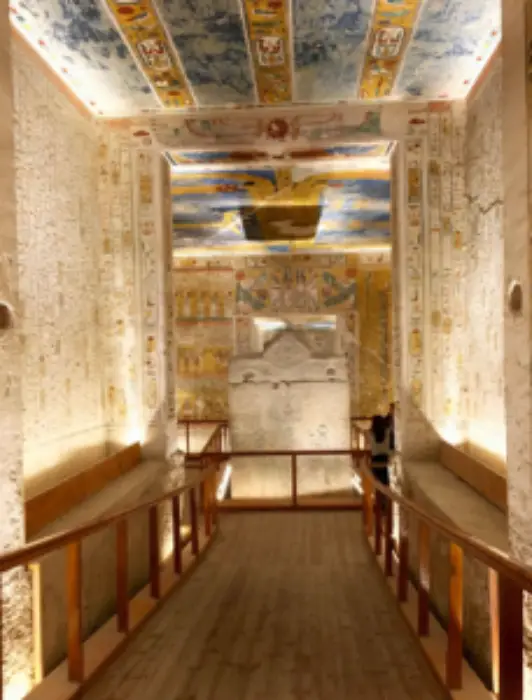
While temples show public worship, tombs reveal private preparation for the afterlife. Exploring the Valley of the Kings helps travelers understand:
-
Royal burial traditions
-
Symbolic wall texts and imagery
-
Changes in funerary practices
This contrast completes the picture started at the temple complexes.
How should these sites be connected in one journey?
Through sequence, not speed.
A strong historical route usually follows this order:
-
Museum context first
-
Monumental temples second
-
Royal tombs last
Multi-day itineraries that follow this logic allow ideas to build rather than blur.
Do longer itineraries improve historical understanding?
Yes—when they reduce pressure.
A longer route allows:
-
Time to absorb complex sites
-
Travel days to double as recovery
-
Space between intense visits
An example is a 13-day Egypt itinerary combining Cairo, a Nile cruise, and Hurghada, where history-focused exploration is balanced with lighter pacing.

Helpful Tips from Local Travel Experts
-
Learn the story before seeing the structures
-
Temples explain power; tombs explain belief
-
Fewer sites per day lead to better understanding
-
Longer itineraries often feel easier, not harder
For travelers seeking the best sites in Egypt for history and exploration, the site’s museum guides and multi-day itineraries provide a clear, well-paced framework for meaningful discovery.
- Egypt Sites That Showcase Ancient & Modern Beauty
- Top Places to Visit in Egypt for First-Time Travelers
- Best Tourist Places in Egypt Explained Simply
- Famous Sites in Egypt Every Traveler Should Know
- Egypt Attractions Top 10 Travelers Choose
- Best Places to Visit Egypt for Culture Lovers
- Egypt Best Places to Visit for a Balanced Trip
- Beautiful Places in Egypt You’ll Want in Your Photos
- Egypt Famous Places That Define the Country
- What to See in Cairo Beyond the Famous Spots?