King Ahmose, also known as Ahmose I, was the founder of Egypt’s Eighteenth Dynasty and a pivotal figure in the New Kingdom. Renowned for his military

The Eye of Horus Symbol is one of the most powerful and recognizable symbols of Ancient Egypt. Rooted deeply in Egyptian mythology, this sacred eye
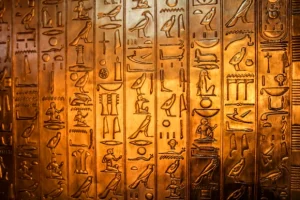
Ancient Egyptian symbols played a vital role in shaping one of the world’s oldest civilizations. These powerful symbols expressed beliefs about life, death,

The Ankh symbol (☥) is one of the most recognizable icons of ancient Egyptian civilization. Often referred to as the “Key of Life,” it represents life,

Egypt is a place that should definitely be on your bucket list. Not only does it have the most beautiful cities - Cairo, Alexandria, and Giza - but there are a

We will offer you an atmosphere of spirituality for traveling to Egypt during Ramadan, which exceeds your expectations. Read

Egypt’s Iconic Pharaoh: Unveiling the Legacy of King Ramses Unraveling the Majestic Reign and Cultural Significance of Egypt King Ramses II You can find

King Narmer was an ancient Egyptian pharaoh of the Early Dynastic Period. Historians identify him as the founder of the First Dynasty and the legendary unifier
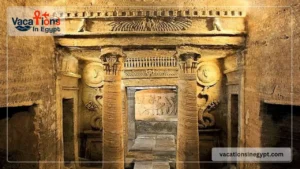
The Catacombs of Kom el Shoqafa, Egypt, is a collection of catacombs that had their origins in the first century and early second century. At the time of Roman
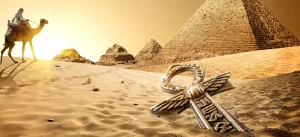
Egyptian Ankh Meaning in Christianity Ankh Meaning in Christianity, The Egyptian ankh, one of the most recognizable symbols in ancient Egyptian culture, has
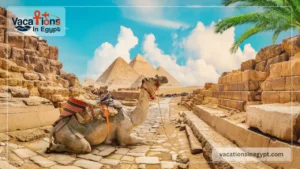
If you are looking for Travel to Egypt Advisory from which country, Any information you will find here travel advisory

Elephantine Island in Egypt, is an island in the Nile below the first cataract, just before the city of Aswan. The river had to dig itself here by a granite
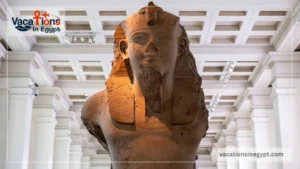
King Ramses II is widely considered one of the most famous kings of Egypt and arguably the most powerful pharaoh to ever wear the double crown. Known to
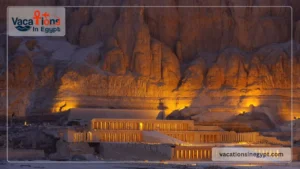
Temple of Hatshepsut is a true treasure of ancient Egypt, located on the west bank of the Nile, not far from the Valley of the Kings. Perhaps less well known

How to Enjoy a Holiday in Egypt? How To Enjoy Egypt?, When planning a vacation in Egypt, you should make the best plan to spend the best vacation because you

The Best Museums You Want To Visit In Cairo Top Museums in Cairo, Cairo is the capital of Egypt and there is no doubt that it is one of the cities that has
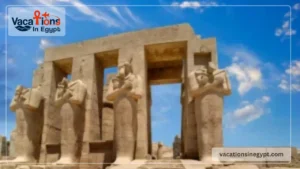
The Ramesseum Temple Complex is one of the most impressive monuments from ancient Egyptian civilization. Built as a memorial temple for the great
In addition, Egyptian civilization depended largely on the Nile River, as its abundant water promoted the development of agriculture. They generally built their cities on high ground near the Nile, taking into account the danger of possible flooding.
Also The Egyptians were able to develop 5,000 years ago thanks to the periodic flooding of the Nile. Ancient Egypt was located in northeastern Africa, bordered by the Mediterranean Sea to the north and the Red Sea to the east.
Egyptian society was governed by a pyramid-shaped structure, with the pharaoh and his dynasty at the top and the people, consisting of farmers, herders, and slaves, at the bottom.
There were five groups that defined the population, each with a specific role in society, and children took on the occupations of their parents.
Priests were numerous and were known for their great wisdom.
Their task was to administer the temples and serve the gods, and they were exempt from paying taxes.
The nobles were the group made up of the Pharaoh's relatives. They held high positions in the government, and their duties included administering the country, carrying out public works, collecting taxes, and also holding high positions in the army.
These were people who were skilled in reading, writing, and arithmetic. They studied for five years to qualify for the position. They were the main assistants to senior government officials, were in contact with the people, and ensured efficient administration.
This group of people included carpenters, artists, draftsmen, goldsmiths, architects, potters, embalmers, among others.
They lived in adobe houses on the banks of the Nile. They worked their land communally, as well as that of the priests and the pharaoh. The harvest was divided between the peasants and the pharaoh's stores to feed all the royal officials.
They were the ones who served in the pharaoh's palace and in the houses of nobles and priests. Among the slaves were foreigners and prisoners of war, among others.
It was composed of a very close-knit nucleus consisting of the father, mother, and children. More distant relatives, such as widowed and unmarried sisters, also lived in the same household, despite the small size of Egyptian houses.
It was customary for daughters of the lower classes to leave for other towns to serve in households when they reached adulthood. The ancient Egyptians married and left their parents' homes to live in their own houses.
In Egyptian culture, they ate two or three times a day. In the morning, the poorest workers ate bread with onions and then had a heavier meal.
The wealthy Egyptians had a light meal in the morning and a meal in the afternoon. They often used their hands to eat; they ate around a small table and the children sat on cushions on the floor.
In addition, the wealthier classes had meat, fruit, bread, beer, wine, and juice on their table. For the poor, meat was available to everyone, except beef, as it was very expensive to feed these animals.
The Egyptians had many gods, approximately 700 different gods and goddesses. In addition, they had deities that were the result of a combination between one deity and another.
One of the most notable aspects of Egyptian religious beliefs was their belief in life after death. They believed that the physical body had to be preserved in order to maintain a place for their spirit to live its new life.
The construction of the pyramids is the symbol that characterizes the Egyptians. This is due to the complexity of their construction, the symbolism, and the infrastructure necessary for their creation and maintenance.
The use of pyramids as a place to bury people was part of their culture. In the 12th and 13th Dynasties, this tradition continued, although due to looting, the remains found are not of great significance or spectacular.
You Can Build Your Own Vacation Tour