Egyptian Gods and Their Powers
The world of egyptian gods and their powers is one of the most fascinating aspects of ancient civilization. Ancient Egyptians believed in a vast pantheon of divine beings who controlled nature, life, death, justice, magic, and the cosmos itself. Each god and goddess had unique strengths, symbols, and responsibilities that shaped Egyptian religion and daily life. In the post, we explore the most important Egyptian mythology gods and powers, uncovering their roles and lasting significance.
Understanding Egyptian Mythology and the Divine Pantheon
Before diving into specific deities, it’s important to understand the structure of the Egyptian pantheon.
Ancient Egyptians believed that the universe was governed by powerful gods who maintained balance, known as Ma’at (cosmic order). These gods were often depicted in human form with animal heads, symbolizing their abilities and divine traits. Worship of Egyptian gods and their powers was central to temple rituals, royal authority, and personal spirituality.
The gods influenced:
- The rising of the sun
- The flooding of the Nile
- Fertility and harvest
- Protection in life and the afterlife
- Judgment of the dead
Now, let’s explore the most powerful ancient Egyptian gods and their abilities.
Ra – The Sun God and Creator
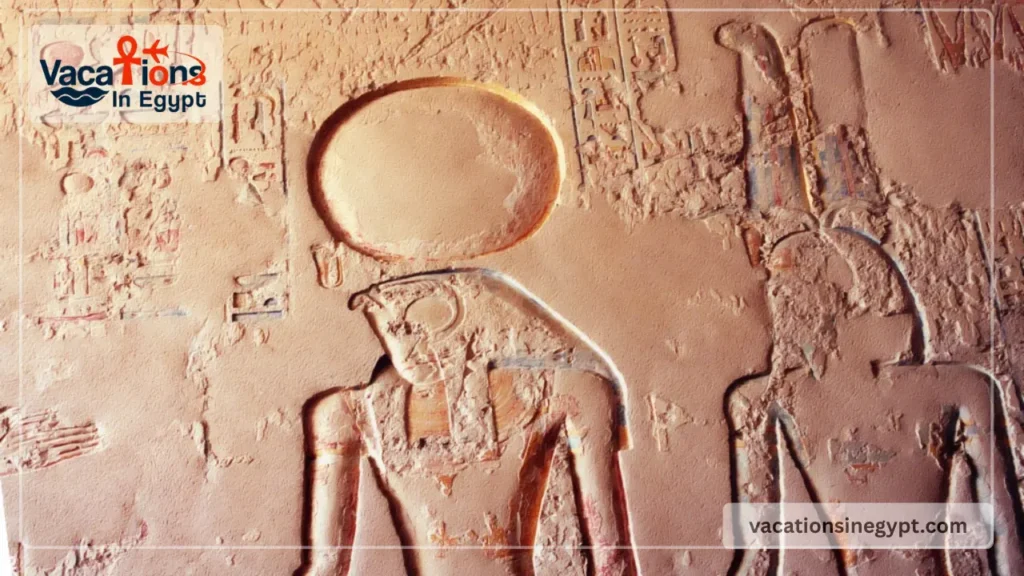
Among all egyptian gods and their powers, Ra stands at the top as the supreme solar deity.
Powers of Ra:
- Creator of the world
- Controller of sunlight and life
- Maintainer of cosmic order
- Defender against chaos
Ra’s daily journey across the sky symbolized life, death, and rebirth. At night, he traveled through the underworld, battling darkness to rise again at dawn. He was often depicted with a falcon head and a solar disk.
Isis – Goddess of Magic and Healing
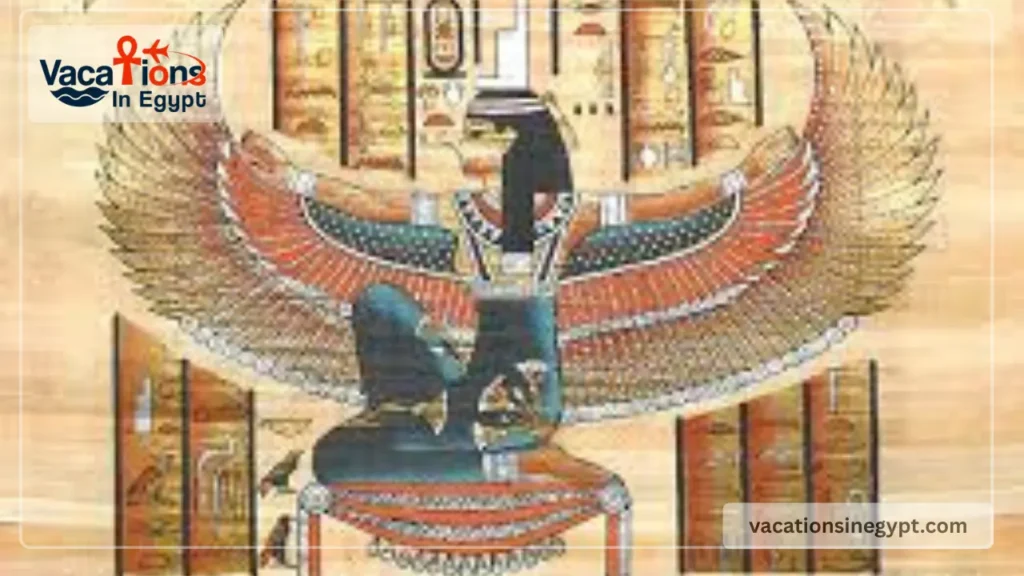
Isis was one of the most beloved deities in Egyptian mythology.
Powers of Isis:
- Mastery of magic and spells
- Healing the sick
- Protection of families
- Fertility and motherhood
Her magical knowledge was unmatched, and she was believed to have resurrected her husband Osiris. Isis symbolized devotion, protection, and divine wisdom.
Osiris – Lord of the Afterlife
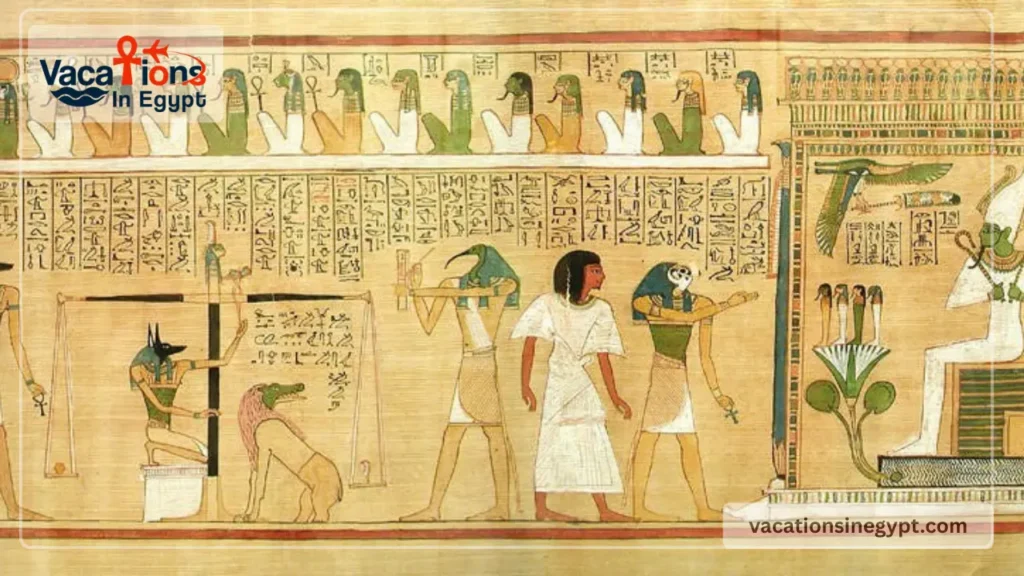
Osiris ruled the underworld and judged the souls of the dead.
Powers of Osiris:
- Judge of the dead
- Grantor of eternal life
- God of resurrection and rebirth
- Associated with fertility and agriculture
He represented hope for life after death, making him central to Egyptian burial traditions.
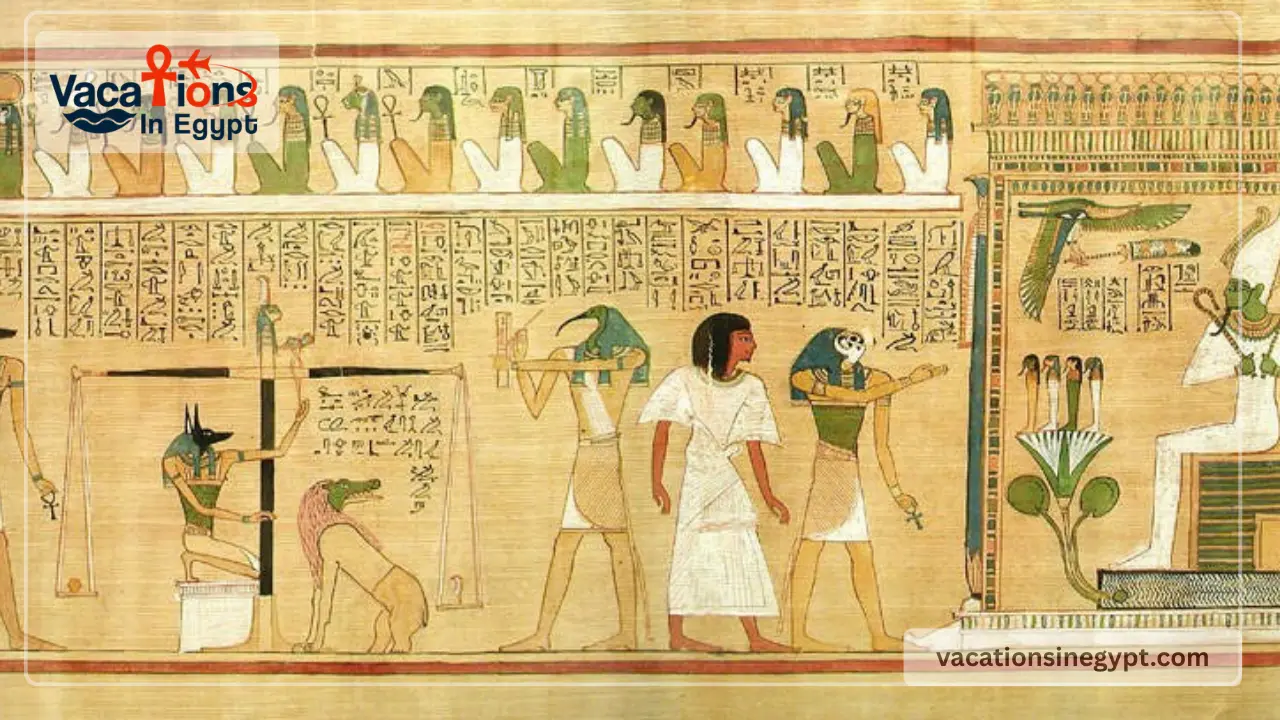
Ma’at – Goddess of Truth and Justice
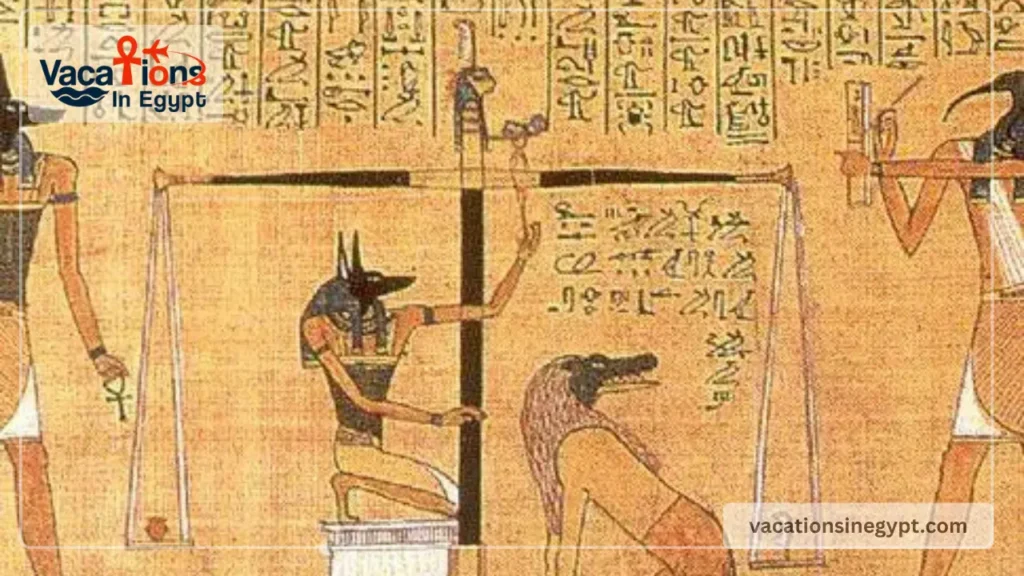
Ma’at personified balance, harmony, and truth.
Powers of Ma’at:
- Maintaining universal order
- Representing truth and morality
- Judging souls through the feather ceremony
In the afterlife, the heart of the deceased was weighed against her feather. If balanced, the soul could enter paradise.
Anubis – Guardian of the Dead
Anubis, depicted with a jackal head, guided souls into the afterlife.
Powers of Anubis:
- Protector of tombs
- Overseer of mummification
- Guide of souls
- Participant in the weighing of the heart
His role ensured safe passage into eternity.
Hathor – Goddess of Love and Joy
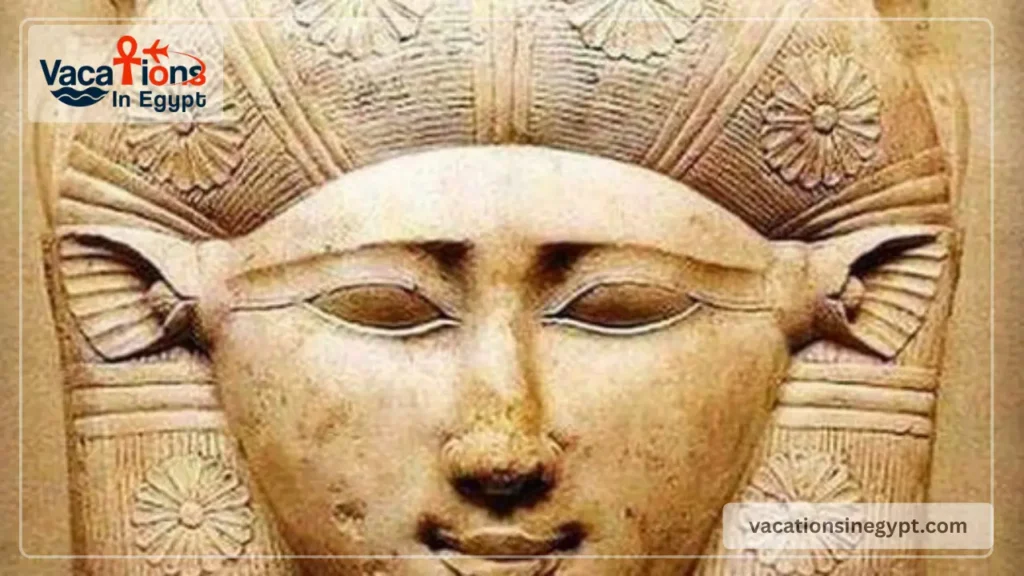
Hathor embodied celebration, music, and motherhood.
Powers of Hathor:
- Goddess of love and beauty
- Patroness of music and dance
- Protector of women and mothers
- Bringer of happiness and harmony
She was often shown with cow horns and a solar disk.
Set – God of Chaos and Storms
Set (Seth) represented disorder and desert storms.
Powers of Set:
- Control over chaos and violence
- Mastery of storms
- Defender of Ra during the night
Though often seen as destructive, Set symbolized the necessary balance between chaos and order.
Thoth – God of Knowledge and Writing
Thoth was the divine scribe and god of intelligence.
Powers of Thoth:
- Inventor of writing
- God of wisdom and knowledge
- Keeper of divine records
- Patron of mathematics and astronomy
His wisdom helped maintain cosmic harmony.
The Importance of Egyptian Gods and Their Powers in Daily Life
The roles and powers of Egyptian deities were not abstract ideas—they influenced everyday life. Temples were built to honor them, priests performed rituals, and pharaohs claimed divine authority through them.
Belief in egyptian gods and their powers shaped:
- Government and kingship
- Funeral practices
- Moral values
- Art and architecture
Their influence remains visible today in temples, hieroglyphs, and mythology studies worldwide.
Final Thoughts on Egyptian Mythology Gods and Powers
Exploring egyptian gods and their powers reveals a complex belief system centered on balance, protection, life, and eternity. From Ra’s solar authority to Isis’s magical mastery and Osiris’s control over the afterlife, each deity played a vital role in maintaining cosmic harmony.
The Egyptian pantheon continues to captivate historians, archaeologists, and mythology enthusiasts alike. Understanding their abilities offers deeper insight into one of the greatest civilizations in human history.
Frequently Asked Questions
Who were the most powerful Egyptian gods?
What powers did Egyptian gods have?
How many Egyptian gods were there?
Who was the god of the afterlife in Egyptian mythology?
What was the role of Ma’at in Egyptian belief?
Why did Egyptian gods have animal heads?
Did Egyptians worship all gods equally?
- Giftun Island: A Portrayal of Lagoon in Egypt
- The Majestic Pyramids of Cheops
- Oasis of Egypt: A Hidden Paradise in the Desert
- In Egypt, which holiday holds the utmost significance?
- Embrace the Magic of the Khafre Pyramid
- Discover the Delights of Egyptian food
- Egyptian Scarab Beetle
- The Best Things to do in Alexandria
- The New Kingdom of Ancient Egypt (1570–1070 B.C.E)
- King Akhenaton