King Thutmose I
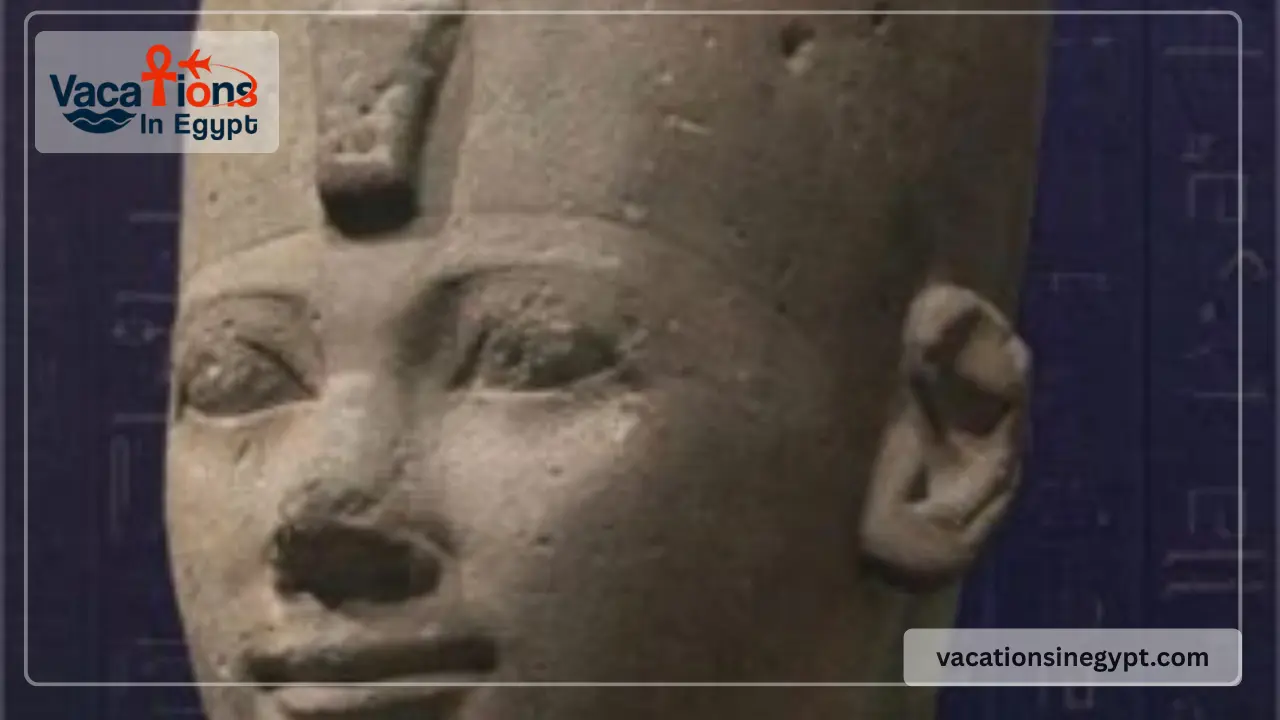
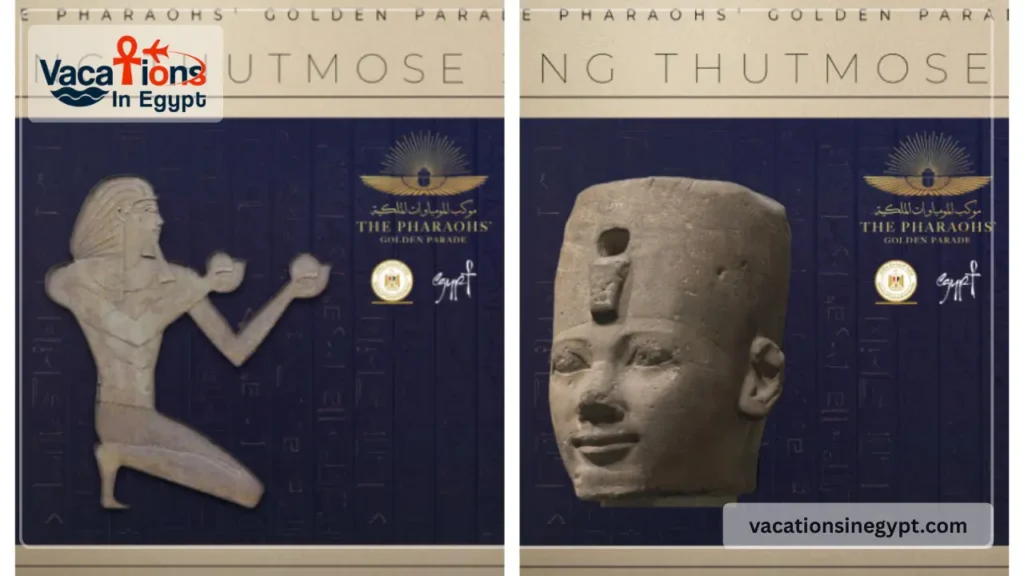
King Thutmose I was one of the most important rulers of Ancient Egypt’s New Kingdom. Sometimes known by the title Khneferu, meaning “appearance and perfection,” he was also called Mephres, or “Spirit of Ra.” Thutmose I was the third pharaoh of the Eighteenth Dynasty, ruling Egypt from approximately 1506 to 1493 BC. His reign marked a period of military expansion, architectural achievements, and the strengthening of Egypt’s empire.
King Thutmose I: Powerful Pharaoh of Egypt’s Eighteenth Dynasty
Family of King Thutmose I
King Thutmose I came from a royal background, though his mother was not of royal blood.
- His father was Amenhotep I
- His mother, Senseneb, was a commoner
To secure the royal succession, Thutmose married Queen Ahmose, his principal wife. Together, they had:
- Amenemes (eldest son)
- Hatshepsut (future female pharaoh)
- Nephropiti
He also had a secondary wife, Muntafret, who was the sister of Queen Ahmose.
Dates and Length of King Thutmose I’s Reign
The reign of King Thutmose I lasted approximately 12 years and 9 months. Inscriptions from the eighth and ninth years of his rule, found at Karnak, confirm the timeline of his reign.
Historians estimate that he ruled between:
- 1506 or 1504 BC and 1493 BC
Military Achievements of King Thutmose I
King Thutmose I is remembered as a strong warrior-pharaoh who expanded Egypt’s borders through major military campaigns.
Campaigns in Nubia
Thutmose I led several successful expeditions into Nubia:
- He crossed the Nile and defeated the Nubian king
- In his third year, he launched a second campaign to strengthen Egyptian control
- He ordered the digging of a canal at the First Cataract, originally built during the Twelfth Dynasty, to improve travel and military movement
To secure Egyptian dominance, he built a fortress at Tombos, near the Third Cataract, extending Egypt’s military presence deep into Nubia.
These actions effectively ended Nubia’s independence.
Campaigns in Palestine and Syria
One of King Thutmose I’s most remarkable achievements was leading Egypt’s first major campaign into the northern regions of Syria.
- His Syrian campaign began in the second year of his reign
- No earlier Egyptian pharaoh had marched so far north
- He crossed the Euphrates River, a historic moment for Egypt’s military expansion
His campaigns resulted in the destruction of several sites in Palestine and reinforced Egypt’s influence in the Levant.
After returning to Egypt, Thutmose celebrated his victory by hunting elephants in Syria.
Administration and the Viceroy of Kush
Among his most effective political decisions was appointing Ture as the first powerful Viceroy of Kush, also known as “Son of the King of Kush.”
This position helped Egypt maintain long-term control over Nubia.
Internal Achievements and Building Projects
King Thutmose I was also a great builder who contributed significantly to Egypt’s temples and monuments.
Expansion of Karnak Temple
His greatest construction efforts took place at Karnak Temple, where he:
- Built the fifth pylon along the main temple axis
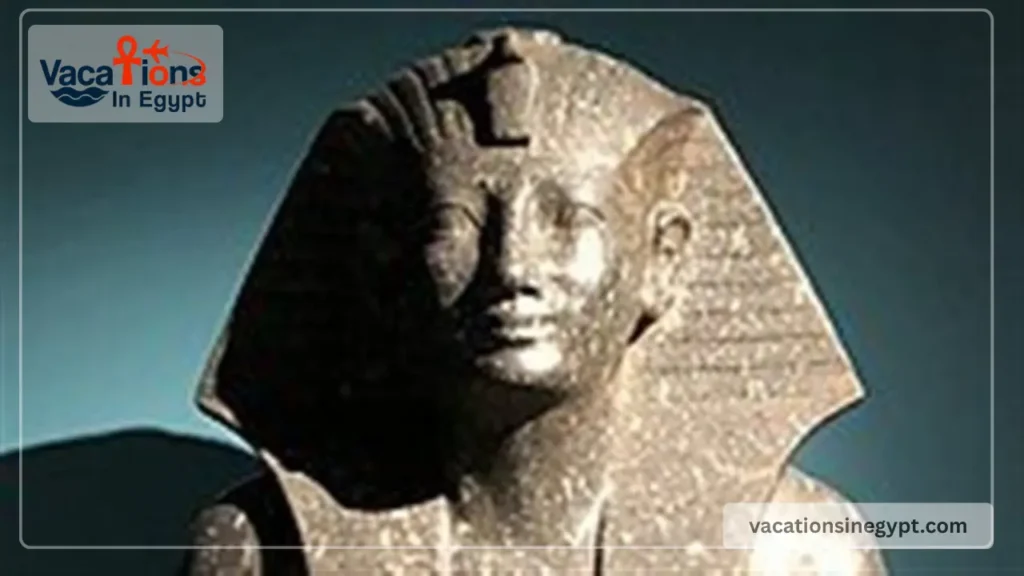
- Commissioned colossal statues wearing the crowns of Upper and Lower Egypt
- Expanded sanctuaries dedicated to the sun gods
Valley of the Kings Tombs
Thutmose I is credited with commissioning the first undisputed royal tomb excavated in the Valley of the Kings, setting a tradition for future New Kingdom rulers.
He also built a hypostyle hall supported by cedar wood columns.
Tomb, Mummy, and Burial Mystery
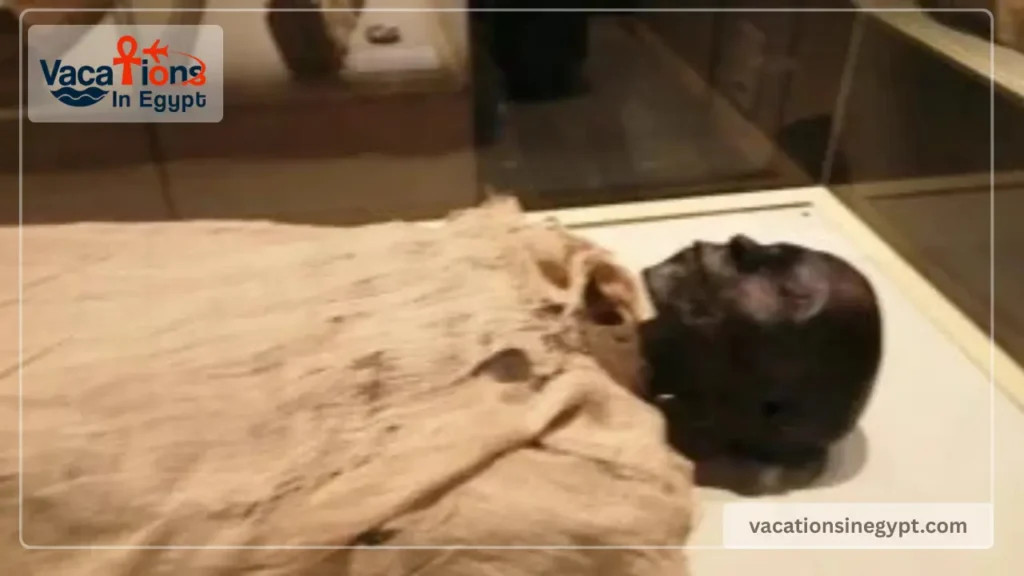
During the Twenty-first Dynasty, the mummy of King Thutmose I was moved and reburied in the royal cache at Deir el-Bahri, near the mortuary temple of Hatshepsut.
He was placed alongside other great rulers, including:
- Ahmose I
- Amenhotep I
- Thutmose II
- Thutmose III
- Seti I
- Ramesses II
However, scholars debate whether the mummy identified as Thutmose I truly belongs to him, as some physical characteristics suggest otherwise.
His tomb also contained stone vessels bearing the names of both Thutmose I and Hatshepsut, indicating a close connection between their burials.
King Thutmose I Facts
- Third pharaoh of Egypt’s Eighteenth Dynasty
- Expanded Egypt’s empire into Nubia and Syria
- First Egyptian king to cross the Euphrates River
- Major builder at Karnak Temple
- Introduced royal burials in the Valley of the Kings
- Known for celebrating victories through hunting expeditions
Final Thoughts on King Thutmose I
King Thutmose I was one of Ancient Egypt’s most powerful warrior kings. Through military strength, strategic administration, and monumental construction, he laid the foundations for Egypt’s golden age during the New Kingdom.
His legacy lived on through his daughter Hatshepsut and the great pharaohs who followed.