

Pyramids In Egypt
When people think of Egypt or the pharaohs, one image instantly comes to mind: the Pyramids of Egypt. These monumental structures, listed among the Seven Wonders of the Ancient World, have fascinated humanity for thousands of years. Rising from the desert sands, the pyramids stand as timeless symbols of ancient Egyptian power, engineering genius, and religious belief.
What Are the Pyramids of Egypt?
The pyramids of Egypt are massive stone tombs built for pharaohs and members of the royal family. They are characterized by a square base and four triangular sides, usually inclined at an angle of around 50 degrees. Constructed from enormous limestone and granite blocks, many pyramids contain multiple chambers, including the King’s Chamber, Queen’s Chamber, and complex internal corridors.
Despite numerous theories, the exact techniques used to build these colossal monuments remain a subject of debate. What is certain, however, is that no visit to Egypt is complete without seeing these iconic structures up close.
The Pyramids of Giza
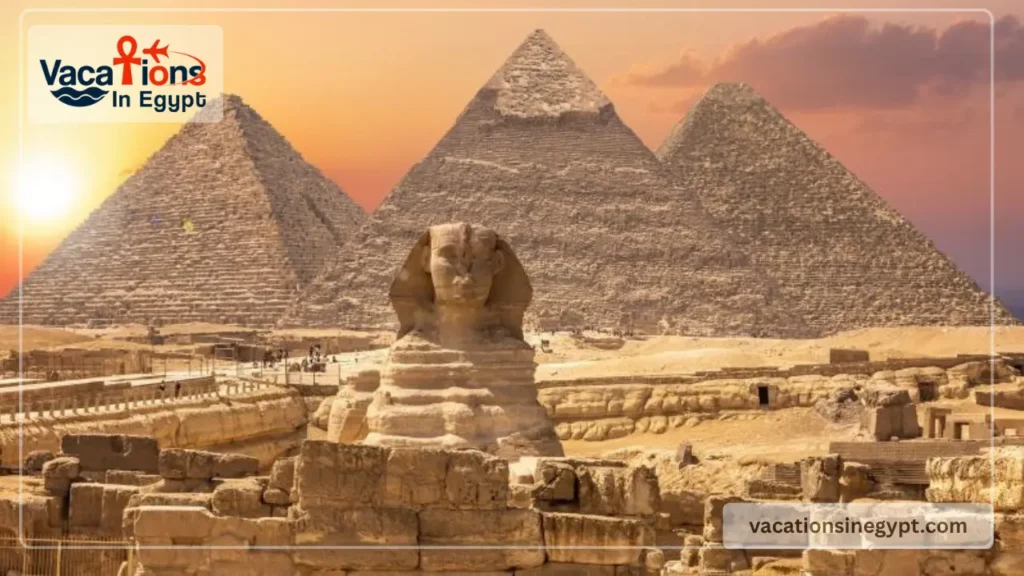
Located on the Giza Plateau near Cairo, this site is home to the most famous pyramids in the world.
The Great Pyramid of Cheops (Khufu)
The Great Pyramid of Cheops is the oldest and largest pyramid in Giza. Construction began around 2600 BC and was completed circa 2570 BC. Standing at about 137 meters high, it remained the tallest man-made structure on Earth for thousands of years.
Inside the pyramid are three known chambers, including the King’s Chamber containing Cheops’ sarcophagus. The complex also includes three smaller queen pyramids and two boat pits, one of which held a solar boat believed to transport the pharaoh in the afterlife.
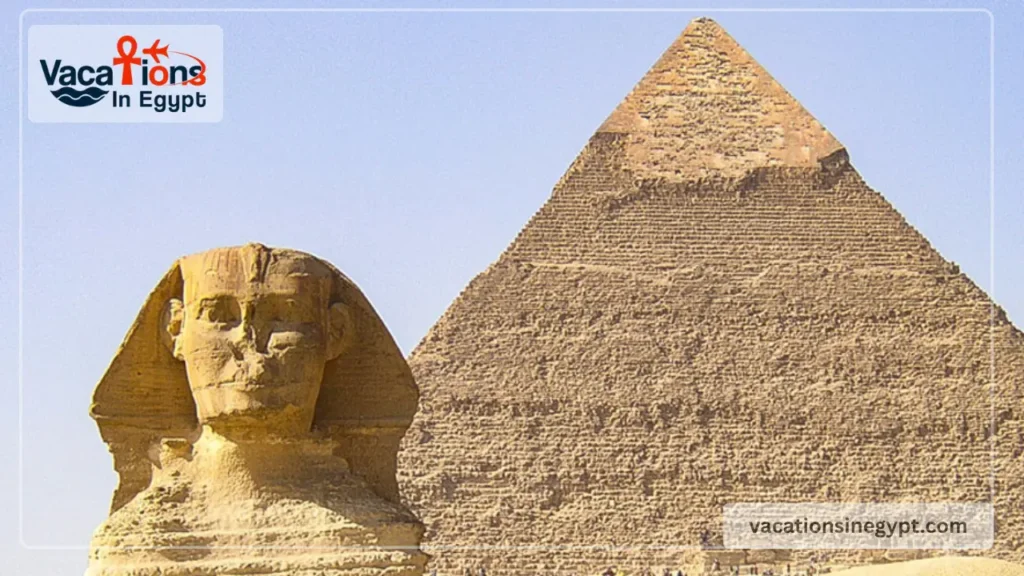
The Pyramid of Chephren (Khafre)
Built by Cheops’ son Chephren, this pyramid stands at 136 meters. Although slightly shorter than the Great Pyramid, it appears taller because it was constructed on higher ground. Notably, part of its original polished limestone casing is still visible at the summit.
The Chephren complex also includes the Valley Temple, impressive statues of the pharaoh, and the legendary Great Sphinx, making it one of the most remarkable archaeological sites in Egypt.
The Pyramid of Mycerinus (Menkaure)
The smallest of the three main pyramids of Giza, the Pyramid of Mycerinus, rises to just 62 meters. Built around 2510 BC, it is believed that the pharaoh died before its completion, leaving parts of the structure unfinished.
This pyramid is accompanied by three smaller pyramids, as well as a valley temple that once housed numerous statues of the king.
The Pyramids of the Queens

To the east of the Great Pyramid are three small pyramids, each about 20 meters high. These are traditionally known as the Pyramids of the Queens, belonging to Queen Hetepheres (mother of Cheops) and Queens Meritites and Henutsen.
Additional queen pyramids are located south of the Pyramid of Mycerinus, although the identities of those buried there remain unknown.
The Saqqara Pyramids
The Step Pyramid of King Zoser
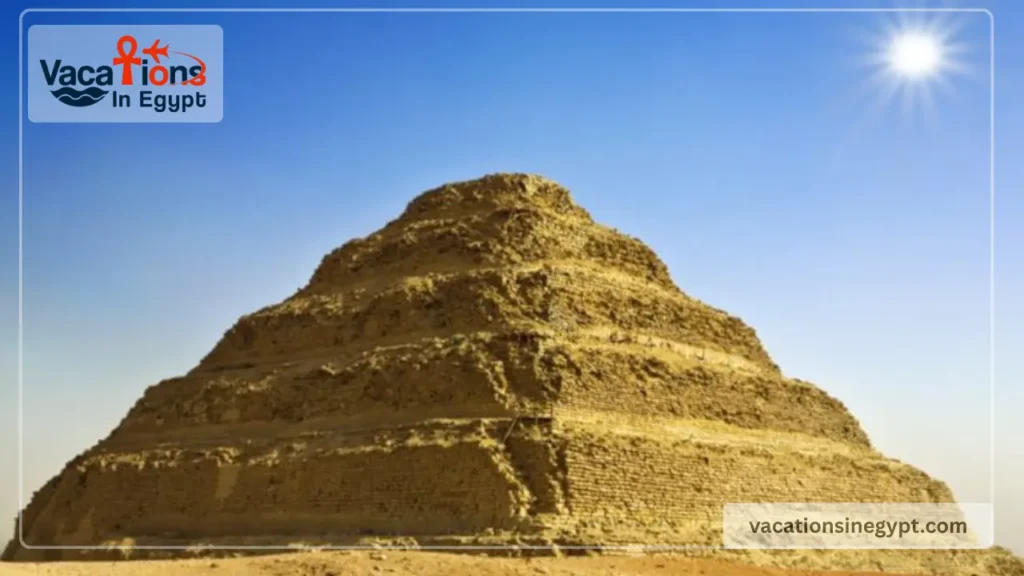
The Saqqara Necropolis, near the ancient capital of Memphis, marks a turning point in Egyptian architecture. Commissioned by King Zoser of the Third Dynasty, the Step Pyramid is the first large stone structure in history.
The pyramid stands over 60 meters high and consists of six stacked mastabas. Beneath it lies a vast network of tunnels and chambers, including a burial chamber built from red granite. The surrounding funerary complex covers 278 × 545 meters and is enclosed by a massive wall with decorative false doors inspired by early palace architecture.
The Pyramid of Unas
The Pyramid of Unas, built for the last king of the Fifth Dynasty, is modest in size but historically significant. Its walls are inscribed with the earliest known Pyramid Texts, religious spells intended to guide the king through the afterlife. By 2000 BC, the pyramid had already fallen into ruin and was later restored under Ramses II.
The Meidum Pyramid
Located about 100 km south of Cairo, the Meidum Pyramid represents a crucial step in pyramid evolution. Built during the reign of Sneferu, founder of the Fourth Dynasty, it was originally designed as a stepped pyramid and later transformed into a smooth-sided one.
Although much of its outer casing collapsed, Meidum is considered the true beginning of the classic pyramid shape, bridging the gap between the Step Pyramid of Saqqara and the later pyramids of Giza.
The Dahshur Pyramids
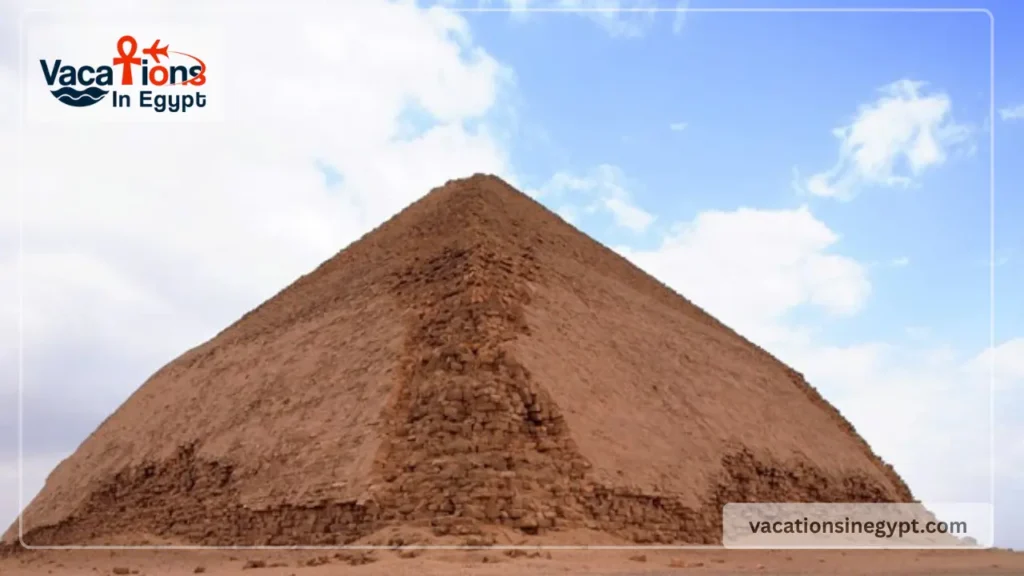
The desert of Dahshur, south of Cairo on the west bank of the Nile, served as a royal necropolis during the Fourth Dynasty.
The Bent Pyramid of Sneferu
The Bent Pyramid was Sneferu’s first attempt at building a true smooth-sided pyramid. Due to structural problems discovered mid-construction, the angle was changed from 54 degrees to 43 degrees, giving the pyramid its distinctive bent appearance.
Built mainly of limestone, it has entrances on both the south and west sides and is surrounded by subsidiary pyramids and temple remains.
The Red Pyramid of Dahshur
Learning from earlier mistakes, Sneferu built the Red Pyramid, located about 2 km from the Bent Pyramid. With a consistent angle of 43 degrees, it became the first successful true pyramid with straight, smooth sides.
The pyramid takes its name from the reddish limestone used in its construction. Inside, a series of corridors and chambers lead to the burial chamber, showcasing advanced architectural planning that later influenced the pyramids of Giza.
Why Visit the Pyramids of Egypt?
Egypt is a dream destination for travelers seeking history, culture, and wonder. Visiting the pyramids is like stepping into an open-air museum where ancient civilization comes alive. From desert landscapes and timeless monuments to vibrant culture and cuisine, vacations in Egypt offer unforgettable experiences.
Whether you are planning cultural tours, relaxing beach holidays, or comprehensive Egypt tour packages, discovering the Pyramids of Egypt is an essential part of the journey into one of the world’s greatest ancient civilizations.